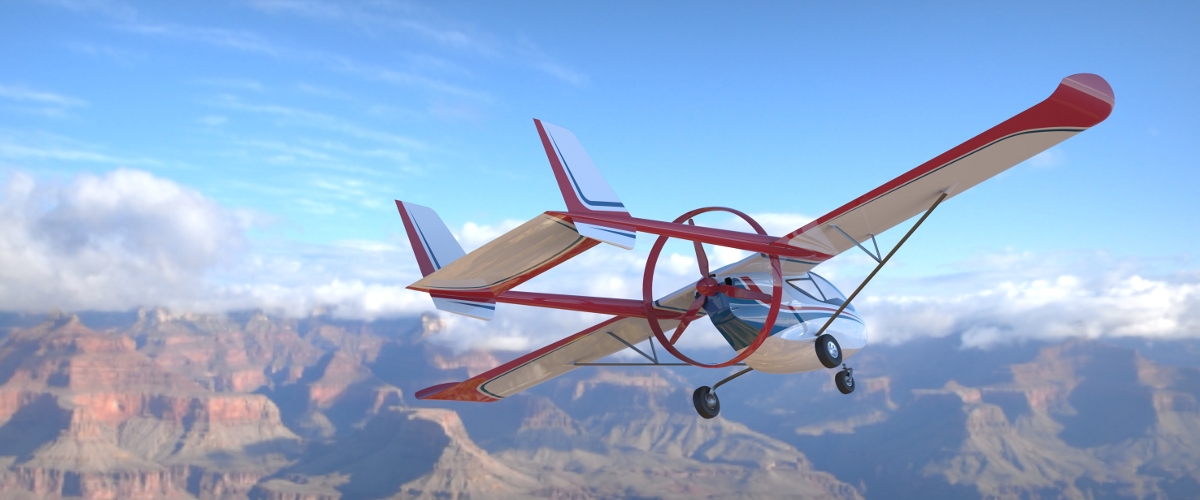
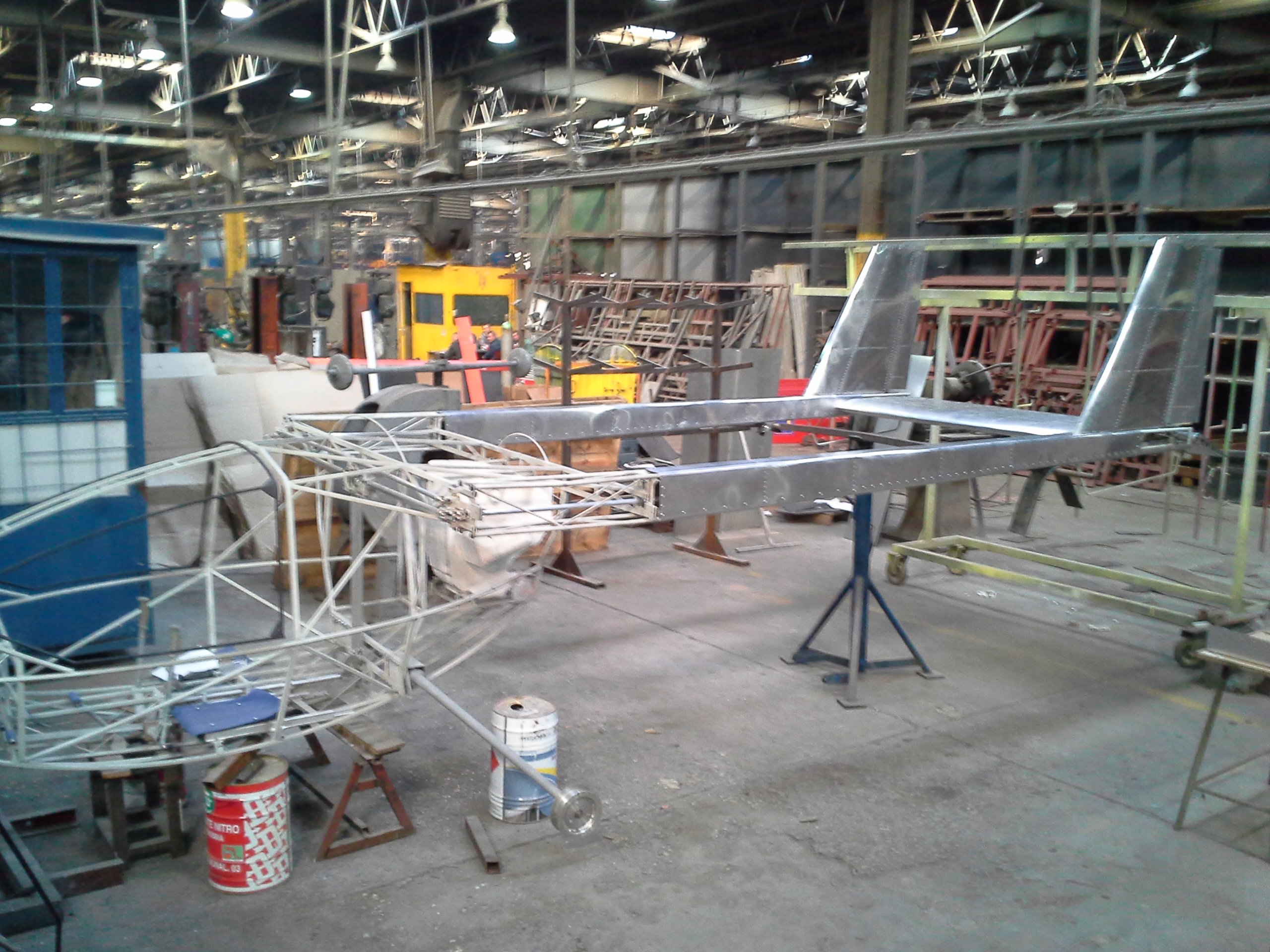
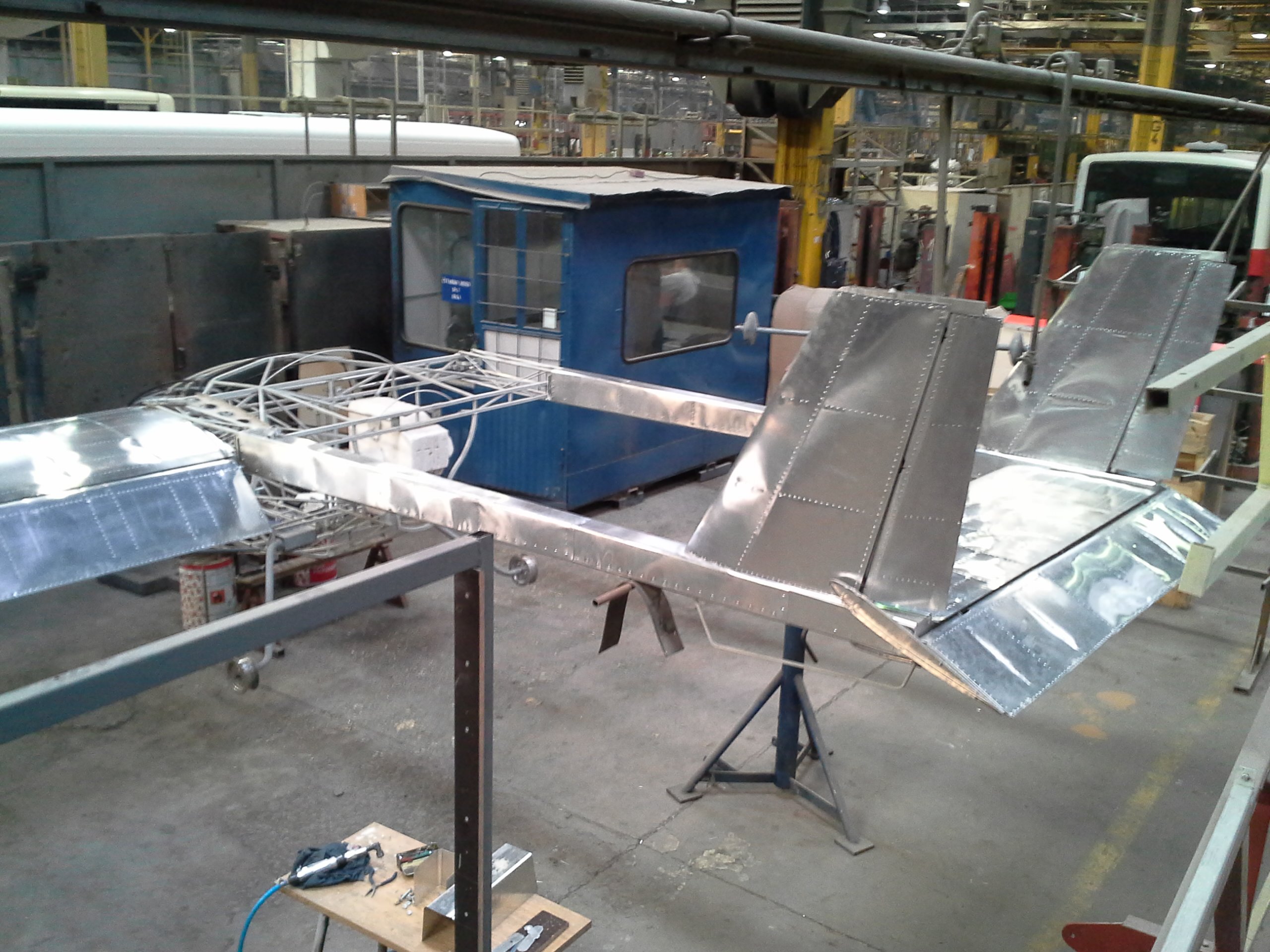
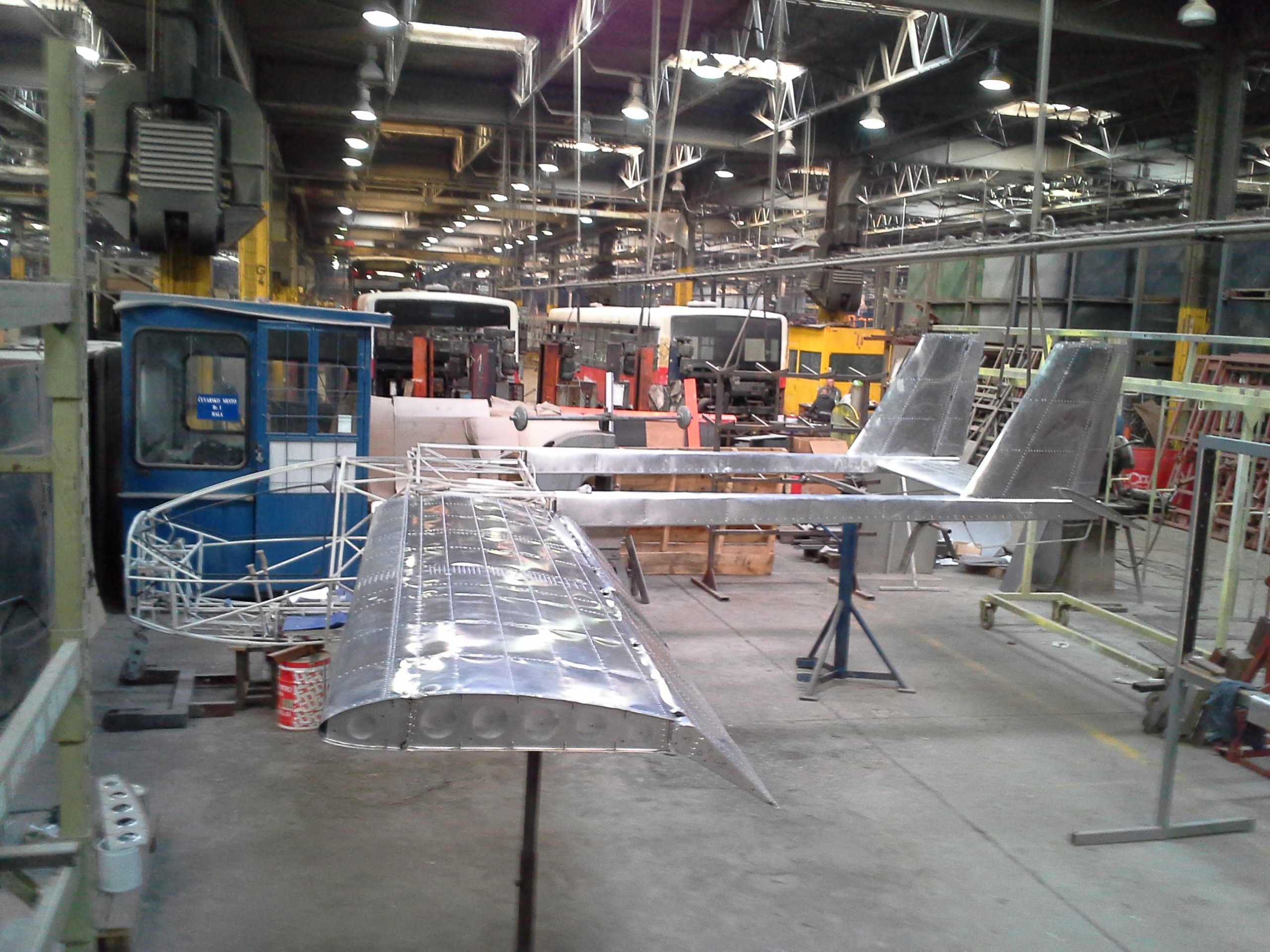
Construction details, design principles, safety features, and a full gallery from the production floor.
Every design decision in the Sterna VLA traces back to three non-negotiable requirements.
| Category | Very Light Aircraft (VLA) |
| Airworthiness Standard | CS-VLA (EASA) |
| Max Takeoff Mass | 450 kg |
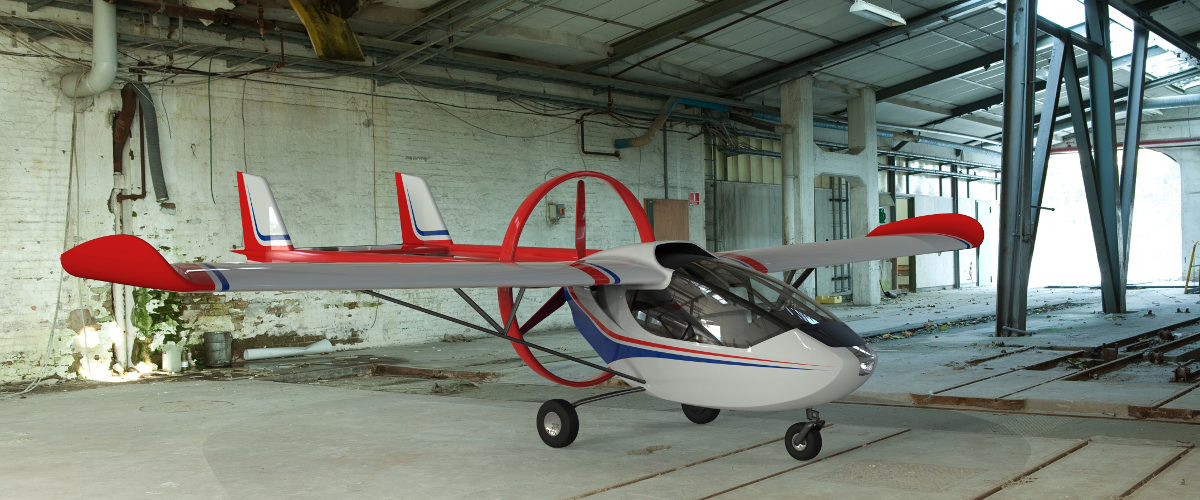
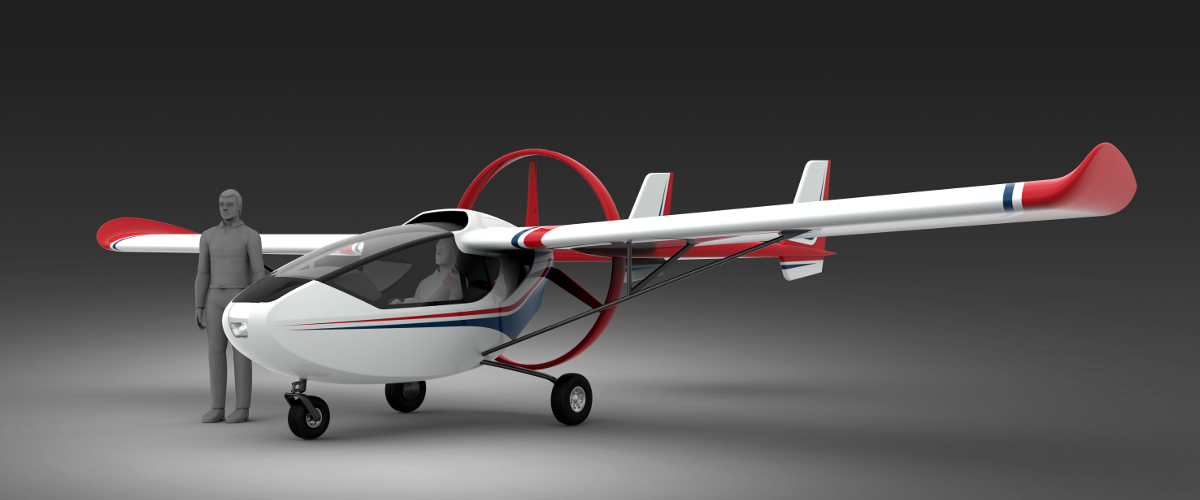
| Crew Configuration | Forward-seated, side-by-side |
| Primary Structure | Aluminium alloys |
| Secondary Materials | Steel alloys, composites |
| Construction Type | Modular, conventional |
| Regulatory Oversight | NCAA (Serbia) |
| Production Model | Industrial serial production |
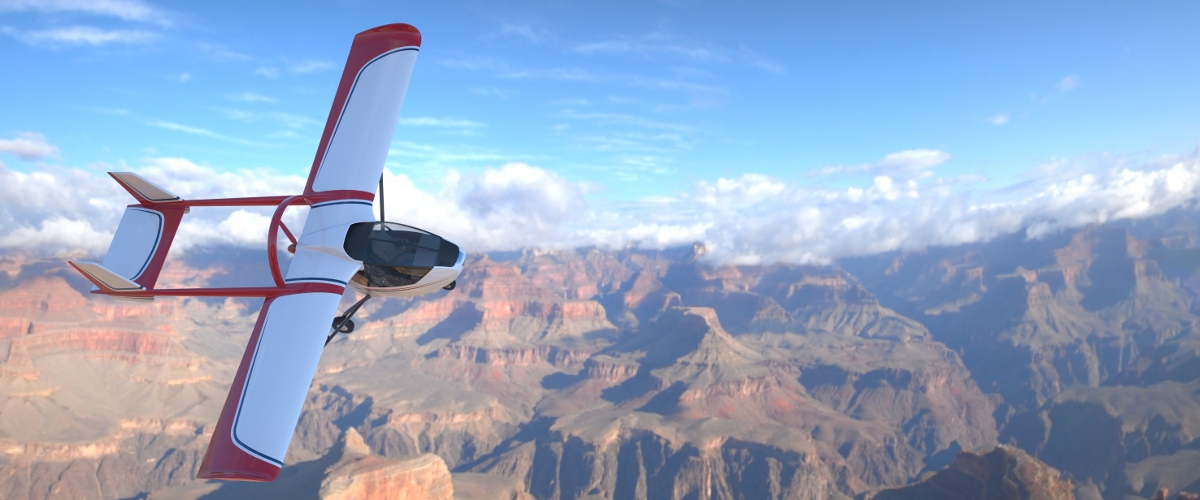
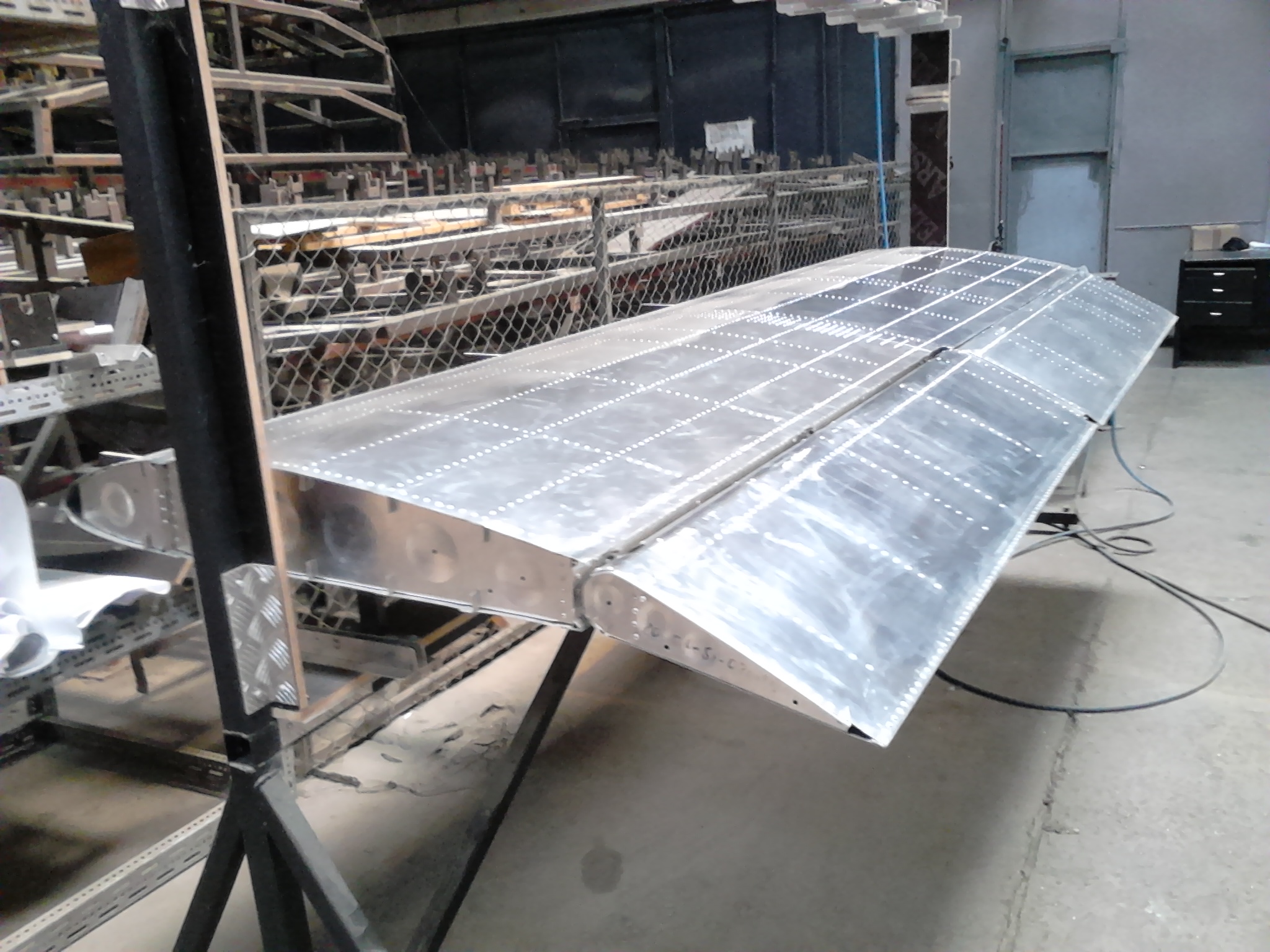
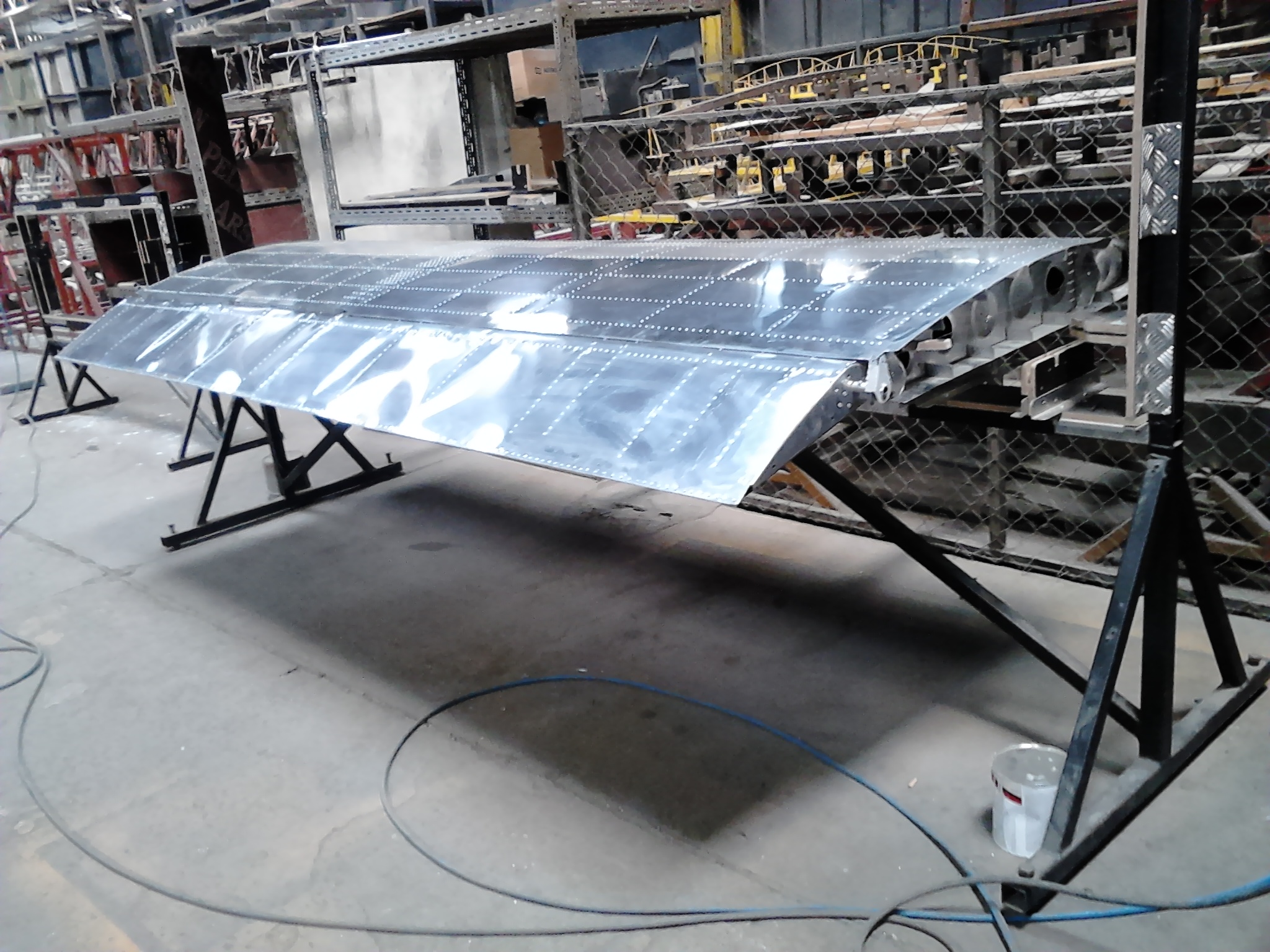
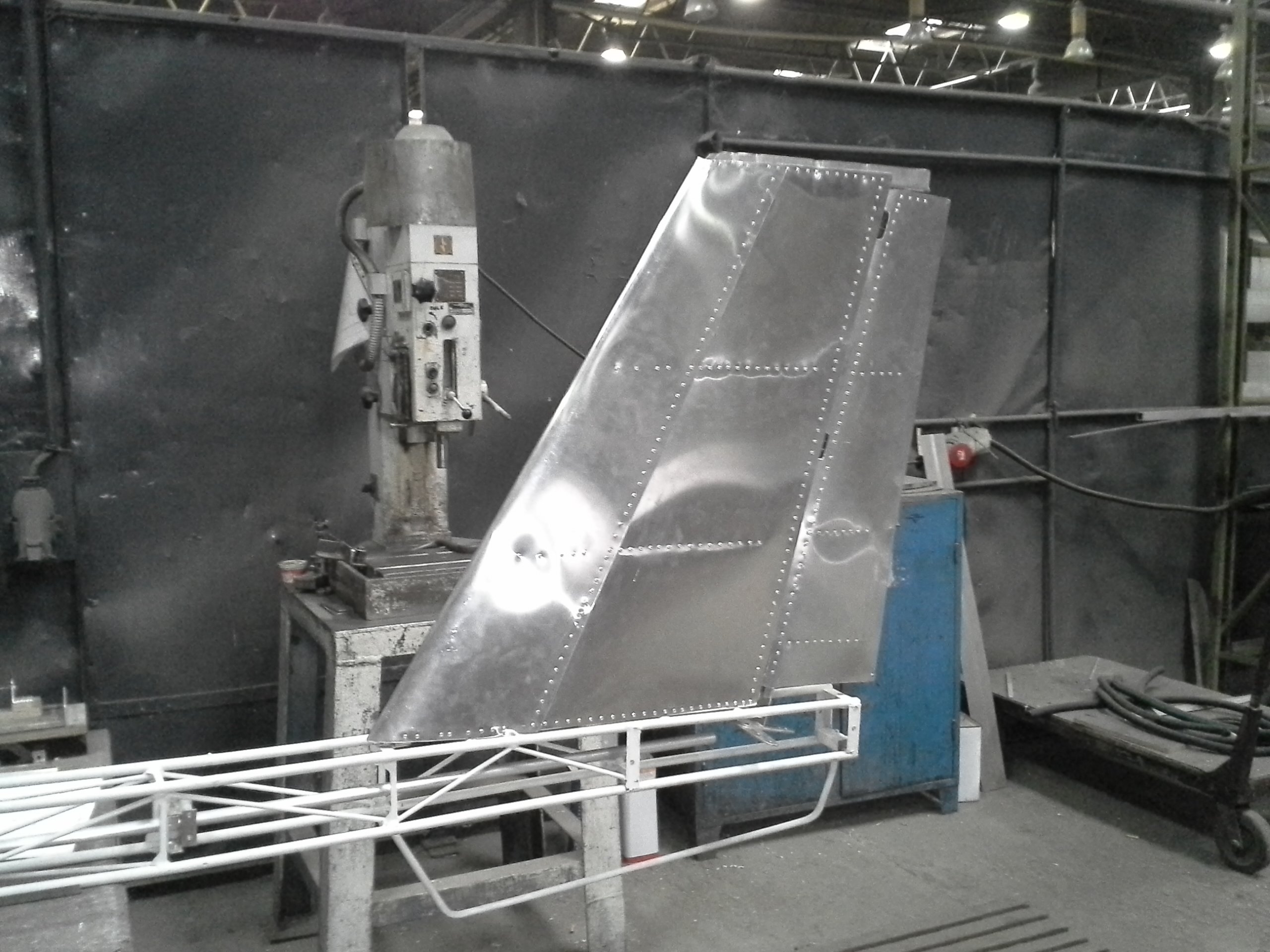
The Sterna VLA uses high-quality aluminium alloys as the primary structural material, complemented by steel alloys for critical load-bearing joints and composite panels for non-structural surfaces.
The modular design philosophy ensures each sub-assembly can be independently inspected, repaired, or replaced — a key factor in keeping lifetime maintenance costs low and aircraft availability high.
The Sterna VLA's safety systems are not afterthoughts — they are integrated into the fundamental architecture of the aircraft.
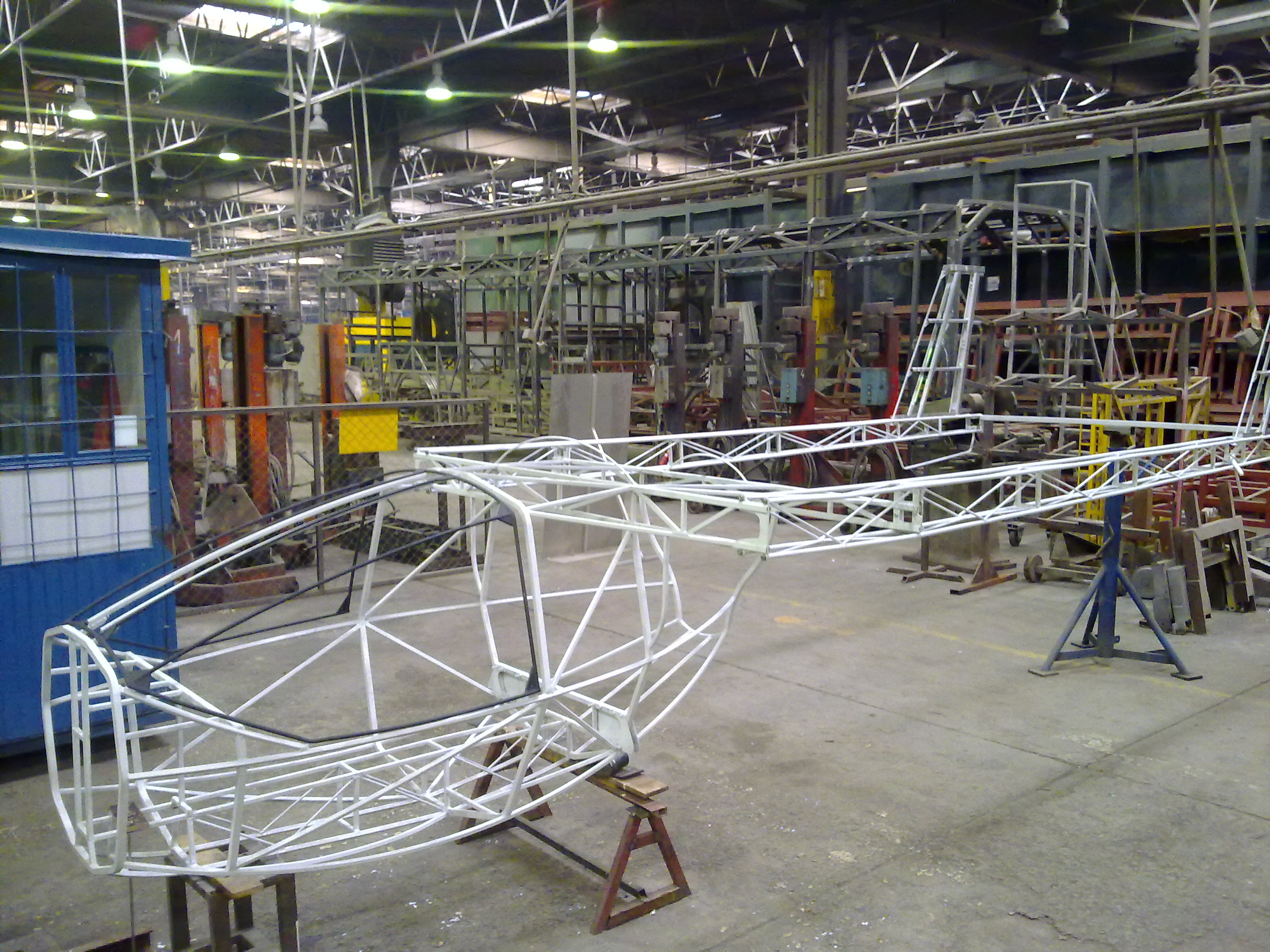
Occupants are protected within a tubular steel structural cage surrounding the cockpit, designed to maintain survival space in the event of an impact.
The fuel system is positioned centrally to minimise fire hazard to the cabin in the event of a structural failure or ground incident.
The engine compartment is fitted with an aerosol anti-fire extinguishing system, providing automatic suppression capability at the most critical zone.
Four-point seat belt connections provide superior occupant restraint compared to standard three-point belts, standard in the Sterna's cockpit design.
The forward-seated cockpit layout maximises pilot visibility — a critical safety factor during takeoff, landing, and low-level operations.
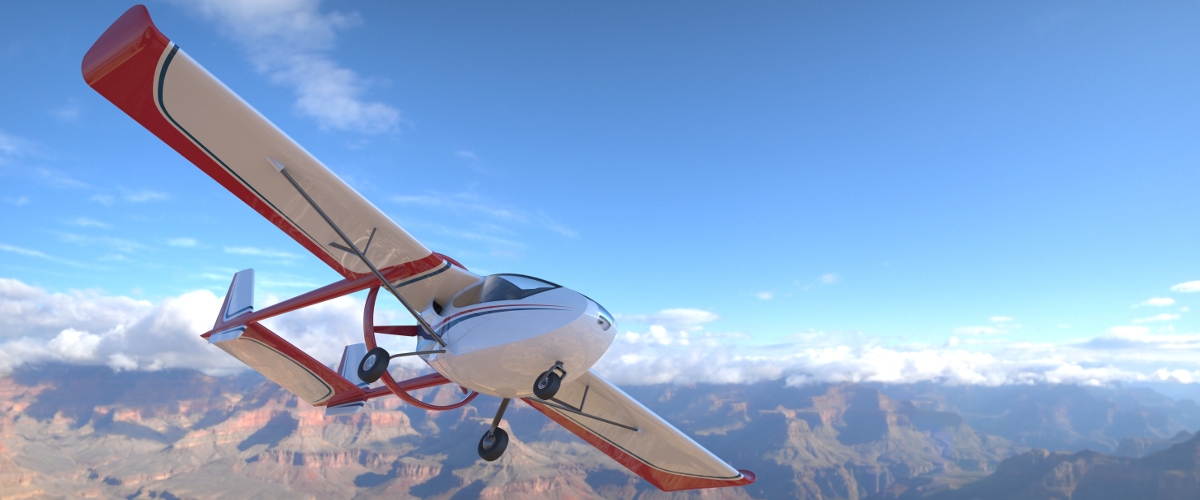
An emergency aircraft parachute system is available as an option, providing whole-aircraft recovery capability as a last-resort safety measure.
Photos from the Sterna production facility in Belgrade — prototype construction, structural testing, and assembly stages.